Mission
Lanternina
Lanternina offers an adolescent something to do in a real room. A parent helps shape the proposal and approves it. The activity can involve writing, drawing, building, arranging objects or exploring a question.
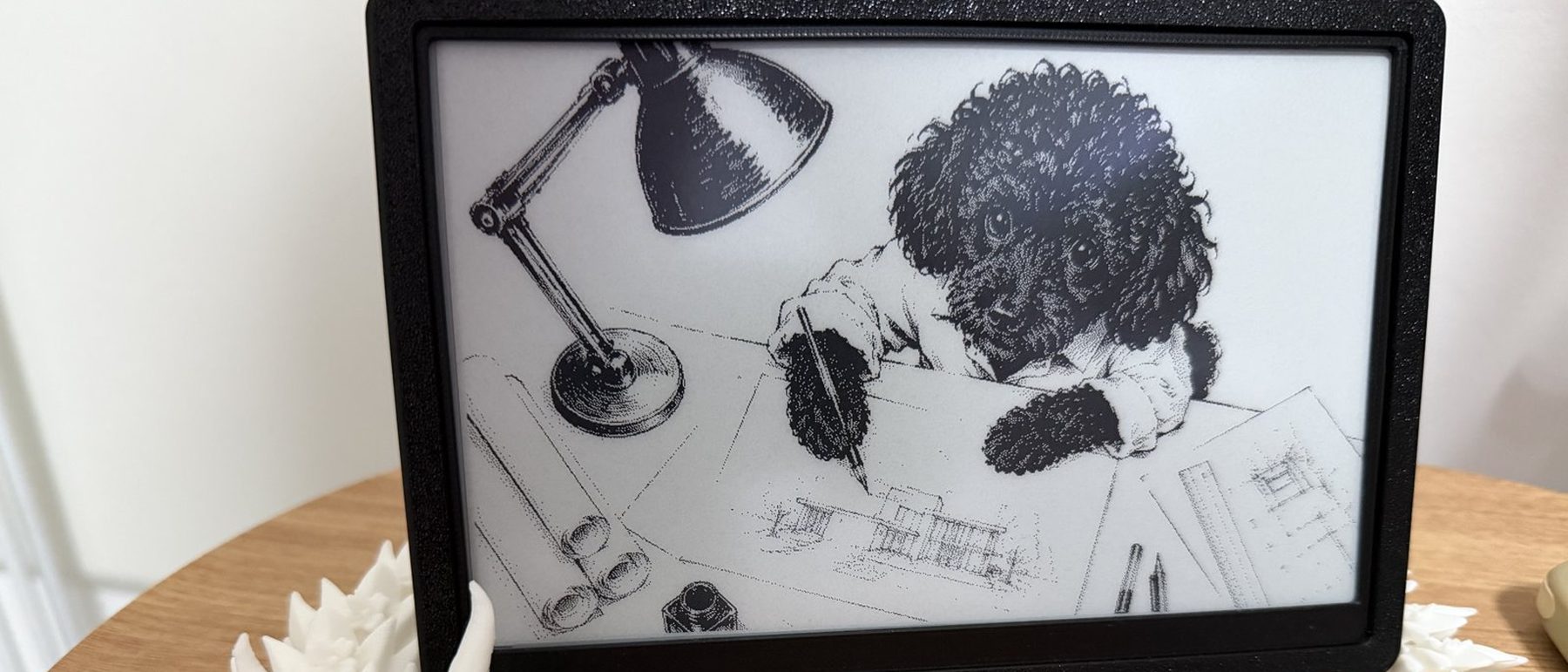
An afternoon worth taking part in
The aim is to make activities available that fit the person and the circumstances of that afternoon. Interests, appetite for novelty and comfort with a written page vary. Lanternina is intended for adolescents across that range, including those with cognitive disabilities.
The parent contributes what they know: interests, things to avoid, the time available and what is happening at home. The system uses that material to propose an activity. Whether the proposal actually makes an afternoon better still has to be established through use.
The activity happens in the room
Lanternina speaks through printed pages and display messages. The adolescent replies by writing or drawing on the sheets and photographing the work. The system reads the additions and prepares a response that develops the same game. Its instructions call for several exchanges, with new pages distributed along the way and an explicit closure.
The game has the pace of a correspondence: the photograph is read, the response prepared and the message delivered at the display's next update. The sheet remains available during the wait. Prompts request at most 5 sheets per game by default, including any printed closing response; the parent can lower the number.
The parent reviews the proposal in a browser. Lanternina runs the approved activity and manages its ending around the time the parent set.
The work can also be a construction or an arrangement of objects, photographed without a printed original. The parent assigns the return devices, and the hub names the one selected for that moment. An invited adolescent can also send a photograph from the portal; it reaches the home through the hub's synchronization.
A prototype to put to use
The system has been built in one house. Printed activities, returned sheets, displays and camera delivery have been exercised; some examples use simulated handwriting. Technical checks establish that those paths work under the tested conditions. They do not establish an educational or therapeutic benefit.
The next step is to try complete afternoons and learn which proposals are worth offering again. The technical account starts with the system overview, followed by its request flows, access controls and current limits.
This site sets no cookies, collects no statistics, and loads nothing from anybody else's server.